ADHD Focus Protocol Pack
10 precision sessions for task initiation, deep work, study, and cognitive flow. Includes Start Here guide and session map.
Neural Clarity & Cognitive Entrainment
A complete guide to focus-supportive frequency listening, neural clarity, flow, and sustained presence. Focus is not simply attention. It is the meeting point between intention, environment, and rhythm. When the listening field feels coherent, awareness can sharpen, tasks feel easier to enter, and creative work has more room to move.
Recent releases
Explore newer additions to the REIDOS library.

Three places to start, ranked by what you need
Skip the theory if you just want to work. These three sessions are the highest-value entry points by use case.
At REIDOS, focus is both electrical and symbolic. Biologically, it relates to neural rhythm ranges such as Alpha, SMR, Beta, and Gamma, each associated with different qualities of attention and cognitive state. Symbolically, focus is hemispheric alignment, where thought becomes clear and action feels less forced.
The frequency map of focus
Every focus state is not just speed. It is coherence. Too much intensity can fragment the signal; too little stimulation can dissolve attention. True concentration feels like a stable resonance bridging analytical and intuitive work.
When idle, slower Alpha and Theta ranges are more prominent. As engagement rises, Beta (13-30 Hz) becomes more associated with problem-solving, working memory, and task engagement. Within Beta: SMR (12-14 Hz) for relaxed attention, Mid-Beta (14-20 Hz) for analysis, High-Beta (20-30 Hz) for rapid processing. High-Beta is best used carefully because too much intensity can feel tense or fatiguing. Gamma (30-100 Hz) is commonly associated with integration, binding, and pattern recognition.
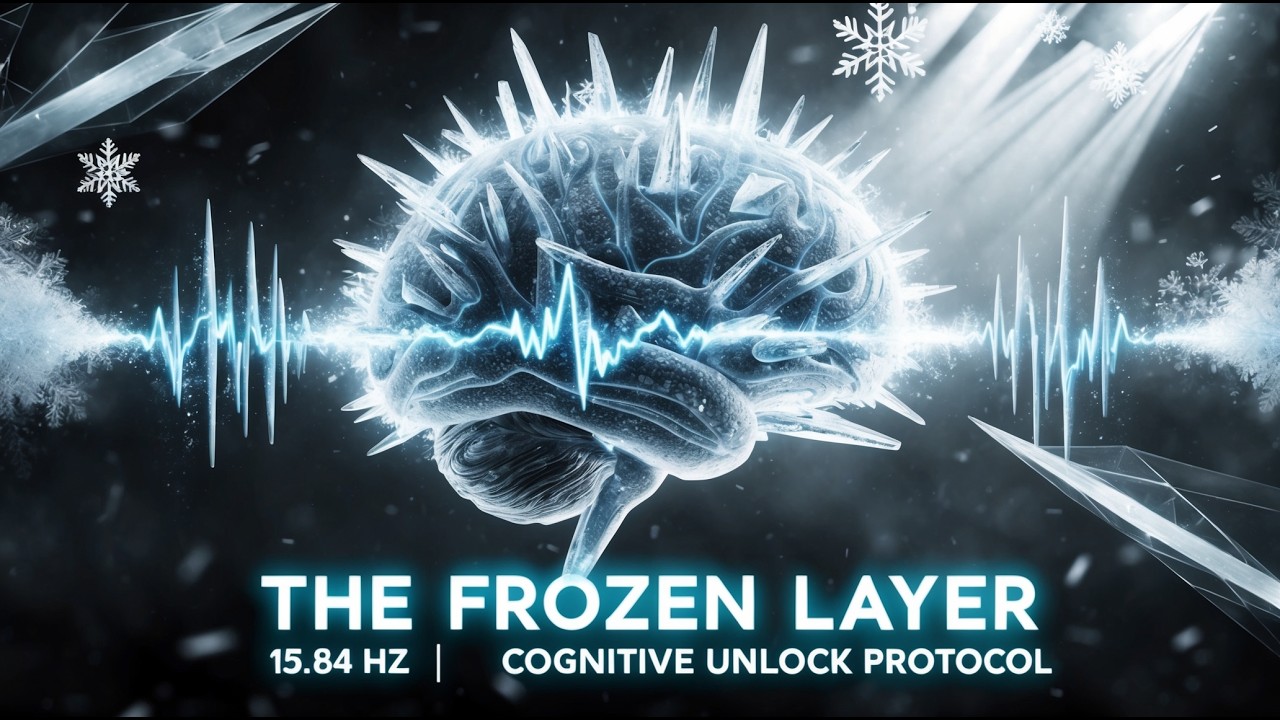
The Frozen Layer
15.84 Hz · Cognitive Unlock Protocol · 8 Hours
REIDOS' top-performing focus session. The 15.84 Hz alignment field is designed to support sustained, calm attention without pushing into the tension of high-Beta. Ideal for deep work blocks.
Watch on YouTube →How entrainment helps focus
Brainwave entrainment presents slightly different tones to each ear. For example, 100 Hz and 114 Hz can create a perceived 14 Hz internal beat. The brain can respond to that rhythmic relationship, making the target range easier to settle into for some listeners.
REIDOS combines binaural fields (internal, best with headphones), isochronic pulses (external, speaker-friendly), and Bisochronic® hybrids that bridge both, creating a layered listening field for sustainable focus without unnecessary strain.
Six frequency bands of focus
The moving meditation of flow: relaxed yet responsive. Time perception can soften, and output can feel less forced. A useful range for creative work, music-making, painting, writing, and coding in the zone.


Calm stability between Alpha and Beta. Often discussed in neurofeedback contexts around attention regulation. A useful range for ADHD-style focus support and sustained low-strain work.
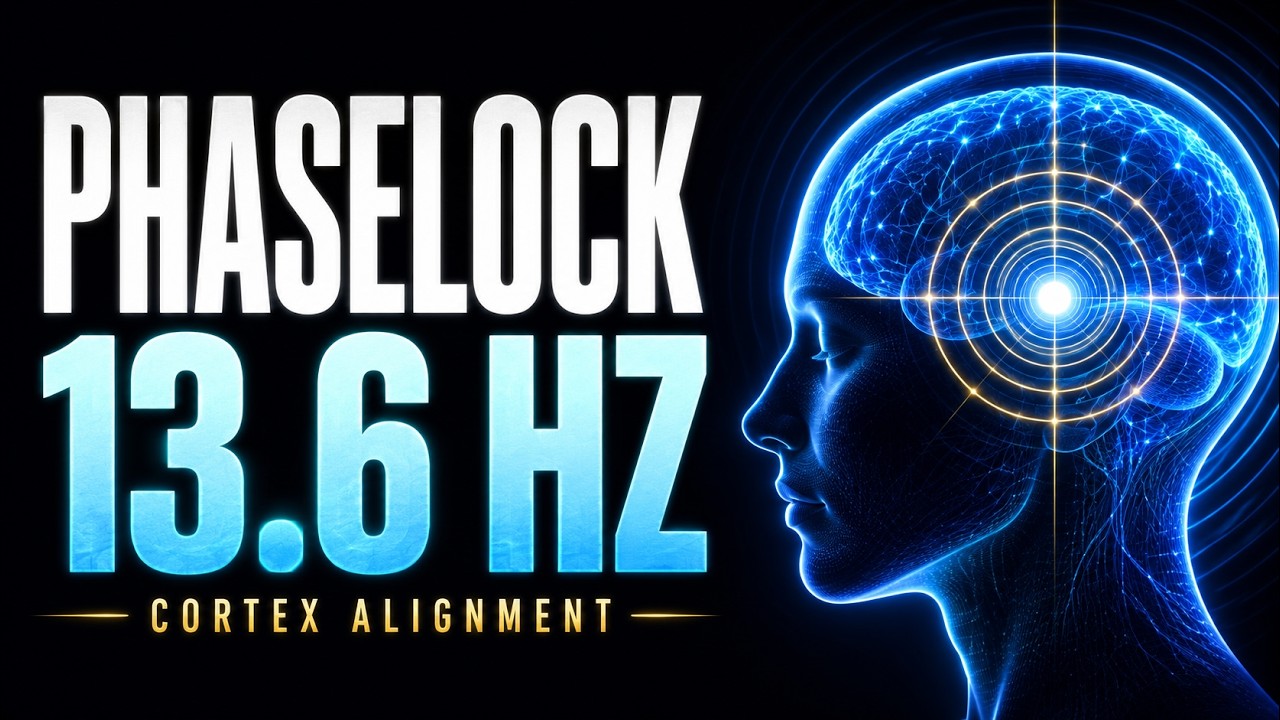
The alignment field. Quick enough for attention, not so intense that fatigue quickly builds. Ideal for study, writing, admin, and deep work blocks. A practical range for office workers, students, and creators.
Higher-energy attention bands. The 17.77 Hz Magnetar architecture is designed for focus states where energy, momentum, and drive matter more than calm precision.
Direct, unambiguous Beta-style entrainment for tasks that demand maximum mental drive. Best used in shorter blocks because high-Beta listening sustained too long can feel tense or fatiguing.
Rapid interconnectivity and whole-brain-style binding. Useful for insight-driven tasks, systems thinking, and creative problem solving. Treat 40 Hz listening as experimental focus support rather than a clinical brain-health claim.
Sessions designed around layered audio architecture rather than a single Hz target. These work through engineered sound structure, recursive rhythmic patterns, prefrontal-themed design, and RAS-inspired attention framing, supporting focus through more than pure entrainment alone.

A practical guide to focus listening
Listen during study, creative sessions, or deep work. Use stereo headphones for binaural precision, or near-field monitors for isochronic and Bisochronic® fields. Keep the volume low, just above the edge of perception. If you feel overstimulated, avoid stacking the session with caffeine or other stimulants.
For a short work session, choose one task before pressing play. NO SCROLL provides a contained twenty-minute option.
Choose a track that suits the task and keep the volume comfortable. You can pause, switch sessions or take a quiet break whenever you need one.
For mental fog or fatigue, run a 20-minute reset-style session before transitioning into your focus session. Clearing first, then engaging, often feels better than trying to force your way through fatigue.
Choosing your session
ADHD Focus Protocol Pack
A focused REIDOS protocol pack built for task initiation, clean attention, study support, deep work, and flow-state listening.
- 10 precision frequency sessions
- Designed for task initiation, clean attention, and deep work support
- Includes Start Here guide, Quick Session Map, and bonus recommended listening path
- Built with science-informed frequency architecture, no unnecessary fluff, only intention
The REIDOS focus architecture
REIDOS focus sessions combine binaural fields, pulse rhythms and supporting layers. The frequency architecture and sound design vary by track; read the published description for the details.
Focus is not tension. It is resonance. The neural symphony where thought, breath, and energy become one motion. When coherence arises, the mind doesn't force attention; it inhabits it.
Need to switch off after focused work? → Healing Portal covers nervous-system regulation, body settling, and parasympathetic-style calm for the cool-down.