REIDOS Vol. 1 & 2 Albums
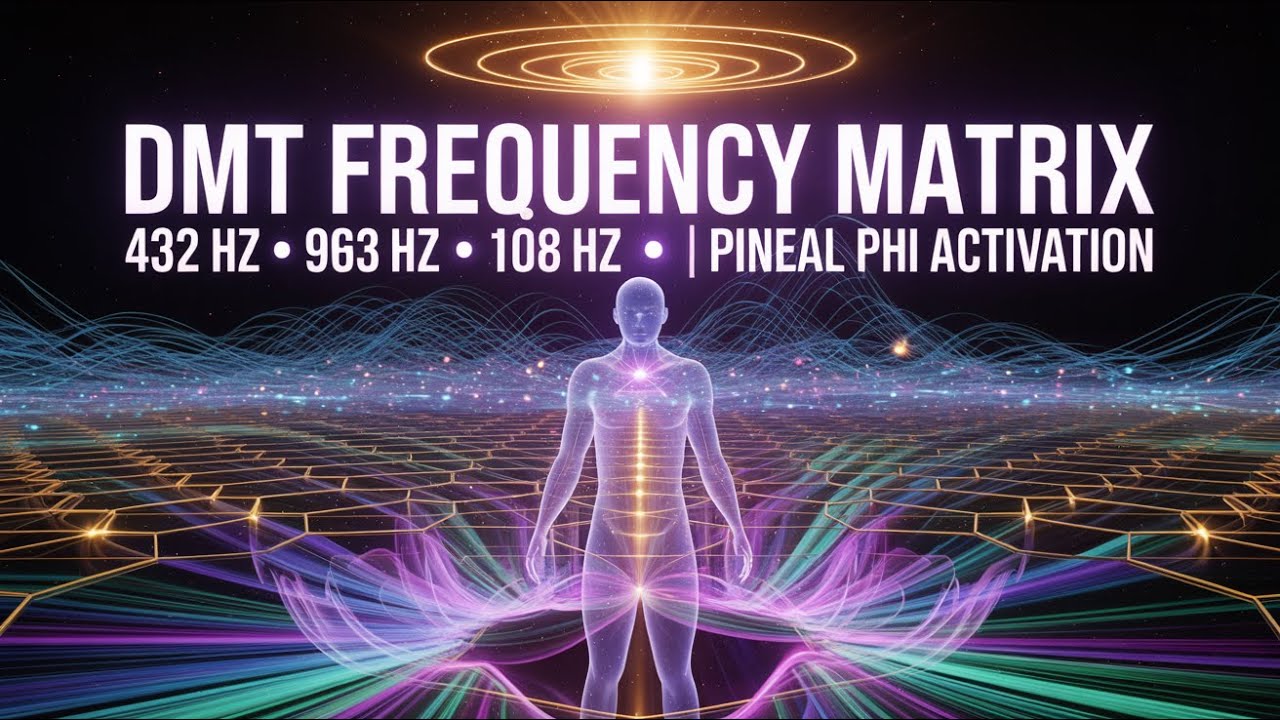
Fractal DMT Resonance, DMT Frequency Matrix, Pineal DMT Harmonic, and more, downloaded, ad-free, yours permanently.
Pineal-Themed Theta, Hypnagogic States & Inner Vision
Some of the most profound human experiences occur in the borderlands between waking and dreaming: the hypnagogic threshold, the visionary states, and the moments where awareness loosens and the inner world becomes vivid. This portal is for the explorer.
Recent releases
Explore newer additions to the REIDOS library.


Three doorways into visionary practice
If you're new to inner-vision work, start here. Each track is a different angle on the same territory. Pick whichever resonates.
This portal brings together delta and theta sessions for meditation, imagery and inner exploration. The track names carry the creative themes; each description sets out the actual tones and rhythms.
REIDOS visionary content is sound design built around theta-state listening. Track titles reference cultural and traditional concepts such as DMT, the pineal gland, astral projection, and third-eye practice as symbolic frames, not as claims that the audio causes pharmacological or paranormal effects. The sessions are designed to support deep meditation, hypnagogic states, lucid dream practice, and inner imagery work.
The track that built REIDOS
Fractal DMT Resonance is one of the defining sessions in the REIDOS catalog, with 400K+ views on the NO WIND edition. Built on subharmonic, pineal-themed architecture, it has become a major doorway into the visionary side of REIDOS and a frequent return point for sustained theta practice.
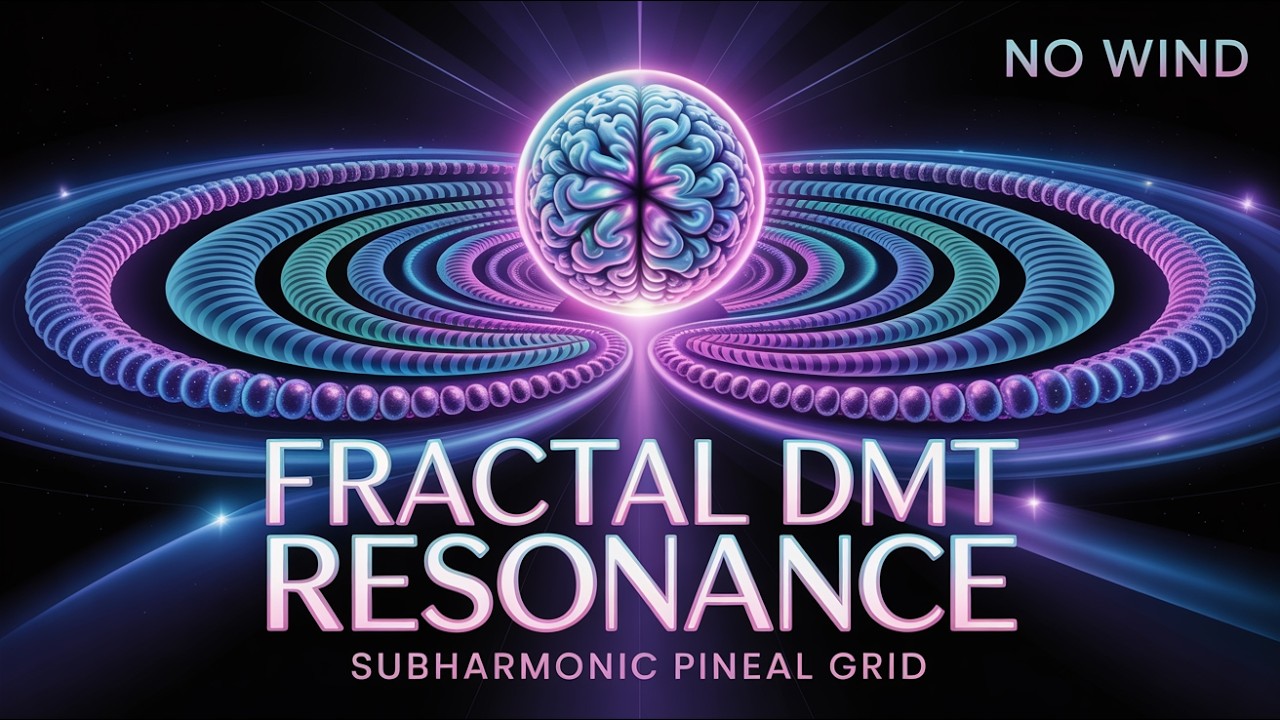
Fractal DMT Resonance
Subharmonic Pineal Grid · NO WIND · 4 Hours
The defining REIDOS visionary architecture. Layered subharmonic frequencies create what listeners often describe as a "self-generating" inner field: sustained theta with depth, structure, and inner imagery support.
Watch on YouTube →Where vision begins
The hypnagogic state is the brief, often-overlooked transitional zone between waking and sleeping. In this state, the brain shifts from beta and alpha toward theta, and consciousness loosens. Most people experience hypnagogia briefly each night without paying attention to it. With practice, it can become a doorway: a stable threshold where vivid imagery, symbolic material, lucid dreams, and creative insight may emerge.
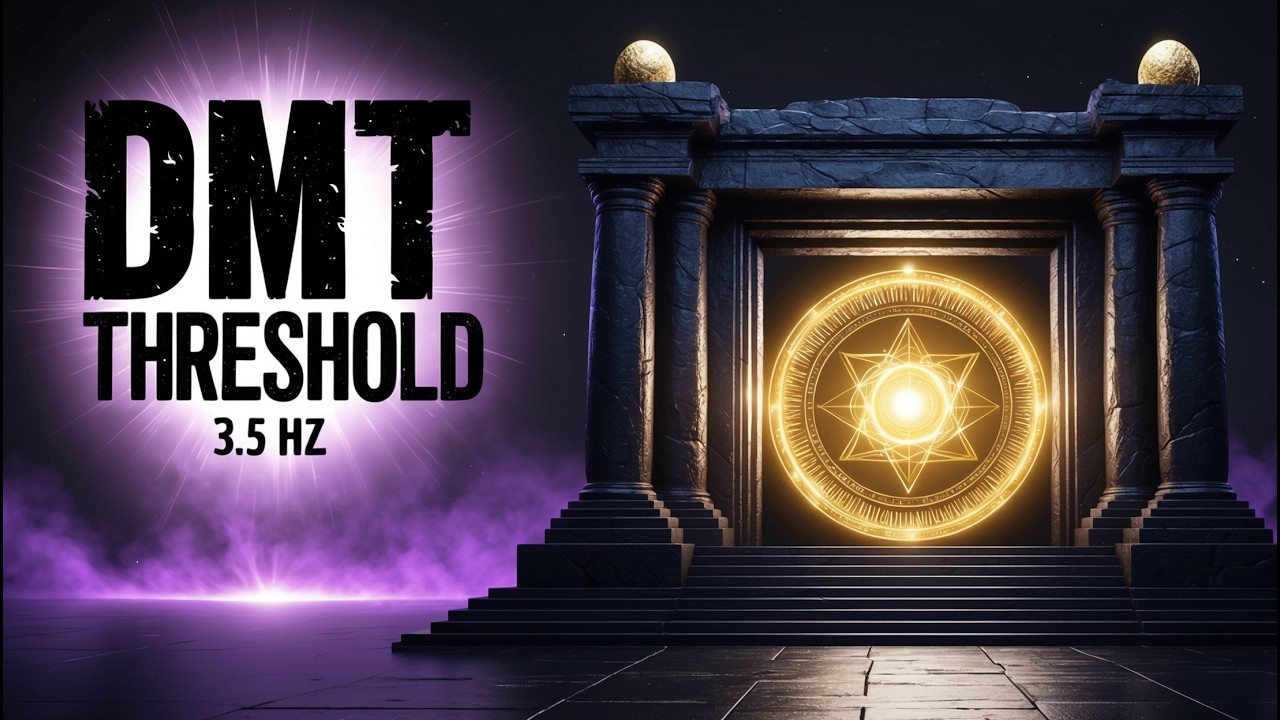
DMT Threshold uses a 3.5 Hz rhythm in the delta range. Its title describes the creative theme of the session.
The franchise grids
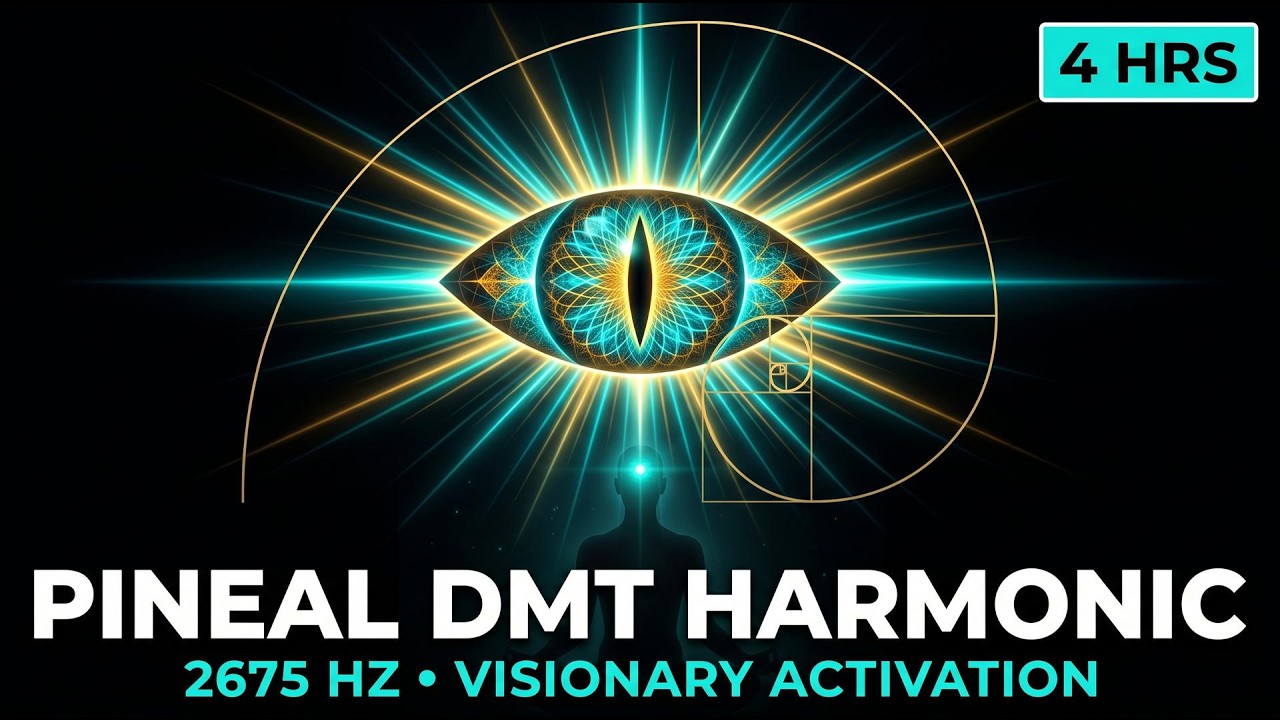
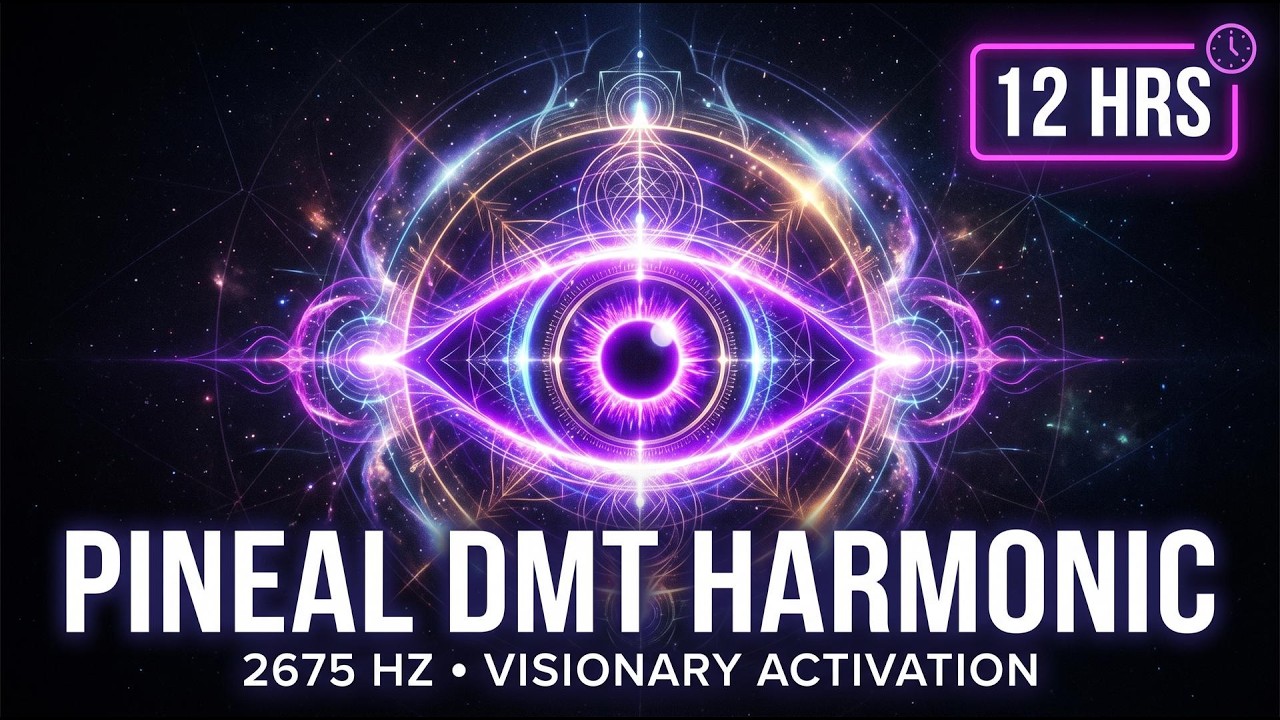
Two architectures define the REIDOS visionary catalog: the Fractal DMT Resonance series, built on subharmonic pineal-themed layering, and the Pineal DMT Harmonic series, anchored to the 2675 Hz symbolic activation concept. Both are available in multiple durations.
Fractal DMT Resonance
Subharmonic pineal-themed grid, one of the most important visionary architectures on the channel. Multiple variants for different listening contexts.
Anatomy and mythology
The pineal gland is a small, pinecone-shaped structure deep in the brain. Anatomically, it produces melatonin and regulates the sleep-wake cycle. Culturally and historically, traditions from ancient Egypt to Vedic philosophy have associated it with inner vision, "the seat of the soul," and the third eye.
Modern neuroscience continues to study sleep, melatonin, and consciousness; the cultural mythology around the pineal continues to evolve. REIDOS visionary content uses pineal-themed framing as a poetic anchor. These are theta-state listening sessions layered with frequencies used as pineal-themed harmonic symbols, including 936 Hz, 963 Hz, and 2675 Hz.
Eight bands of inner vision
Theta is strongly associated with inner imagery and meditative absorption. Different sub-bands within theta can feel subtly different, from deep symbolic descent around 2 Hz to clearer inner-vision work around 6 to 7 Hz and lucid-dream-style practice near the upper theta border.
Sub-theta frequencies used for very deep, symbolic inner-imagery work. Best for sustained meditation, shamanic-inspired descent, and long-form exploratory listening.
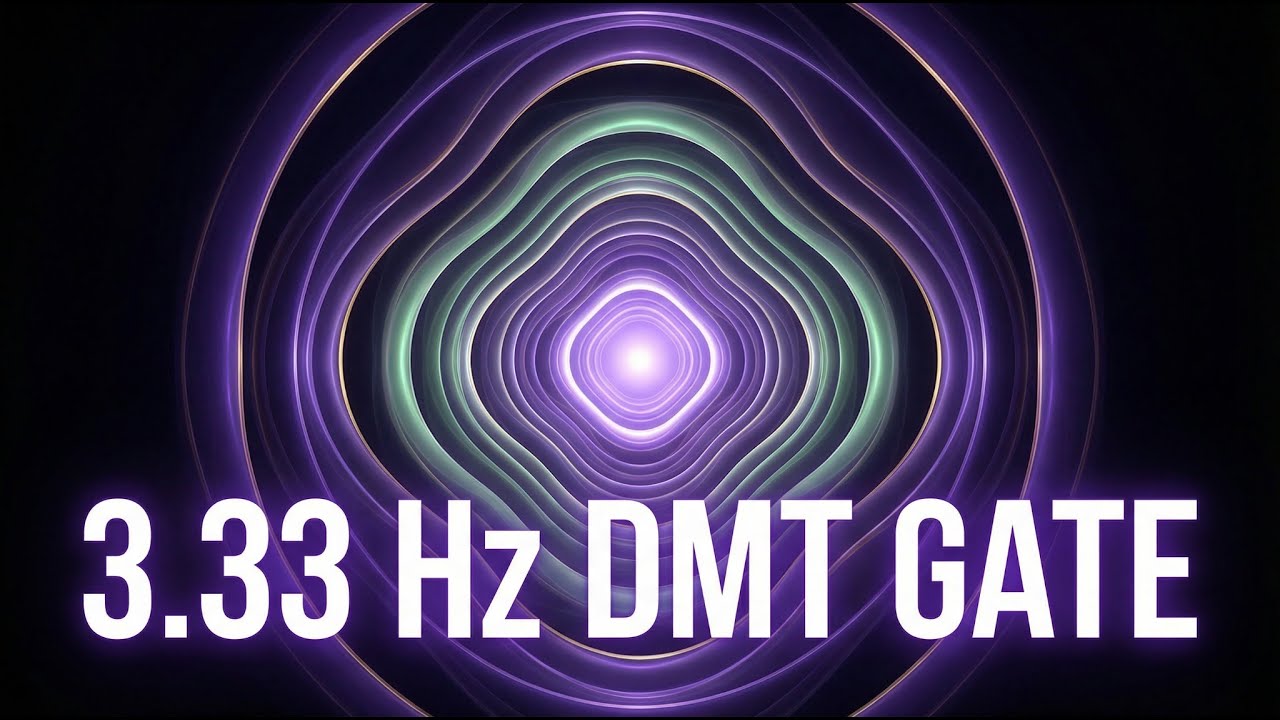
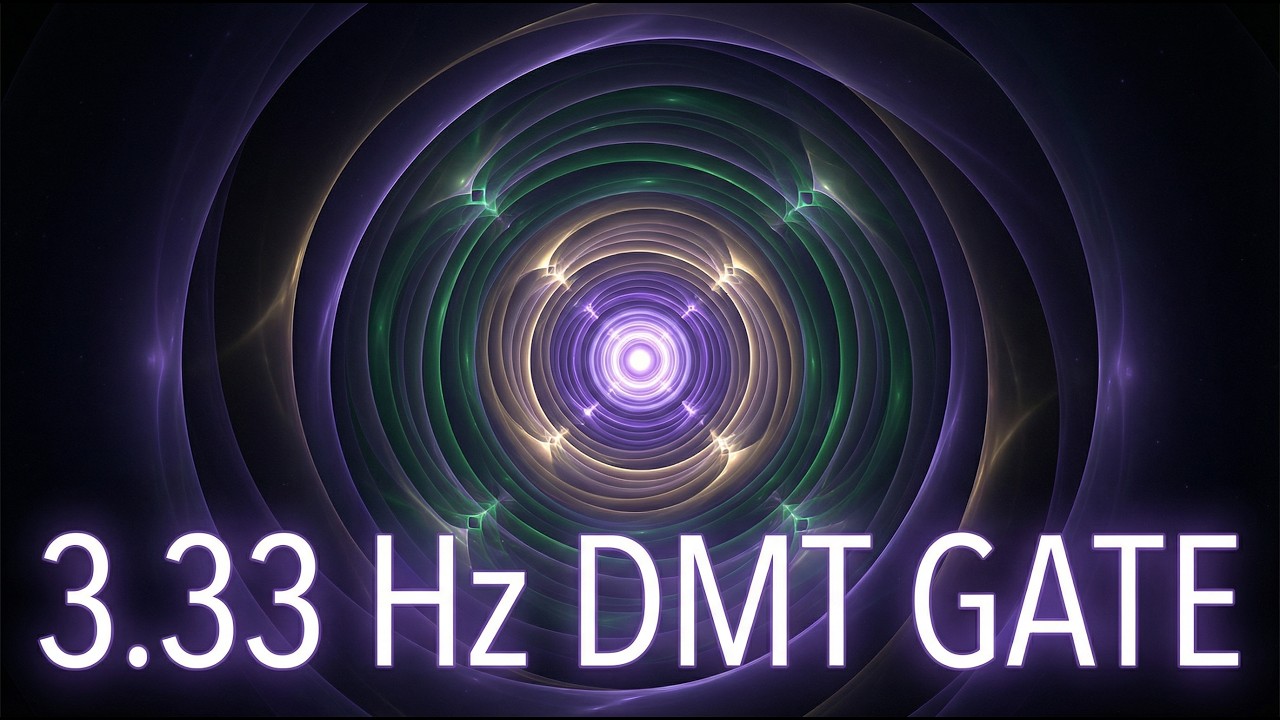
The threshold band where inner imagery can begin to stabilize. Many listeners use this range for dream-bridge work and hypnagogic-style practice. The 3.33 Hz DMT Gate is one of the most accessible entry points.

The most-traveled band of visionary practice. 4.5 Hz is the classic REIDOS DMT-themed theta doorway, accessible, immersive, and easy to build a practice around.
The mid-theta band where emotional processing can meet imagery. Useful for inner work that involves both visual material and feeling, such as grief processing, integration, and mood support.
The clear-perception band in the REIDOS symbolic map. 6.66 Hz and 6.3 Hz are used here for Ajna-themed, third-eye-style inner vision, intuitive reflection, and clear inner-seeing practice.
The "mind awake, body asleep" range in many lucid and projection-style traditions. 7.07 Hz is used here as a symbolic projection anchor, while 7.83 Hz connects the work to the Schumann resonance theme. This is one of the most accessible ranges for lucid, inward, and dream-adjacent practice.

The upper range of visionary practice. Alpha-band sessions can support inner imagery while preserving more wakeful awareness, useful for listeners who want a clearer, lighter visionary field.

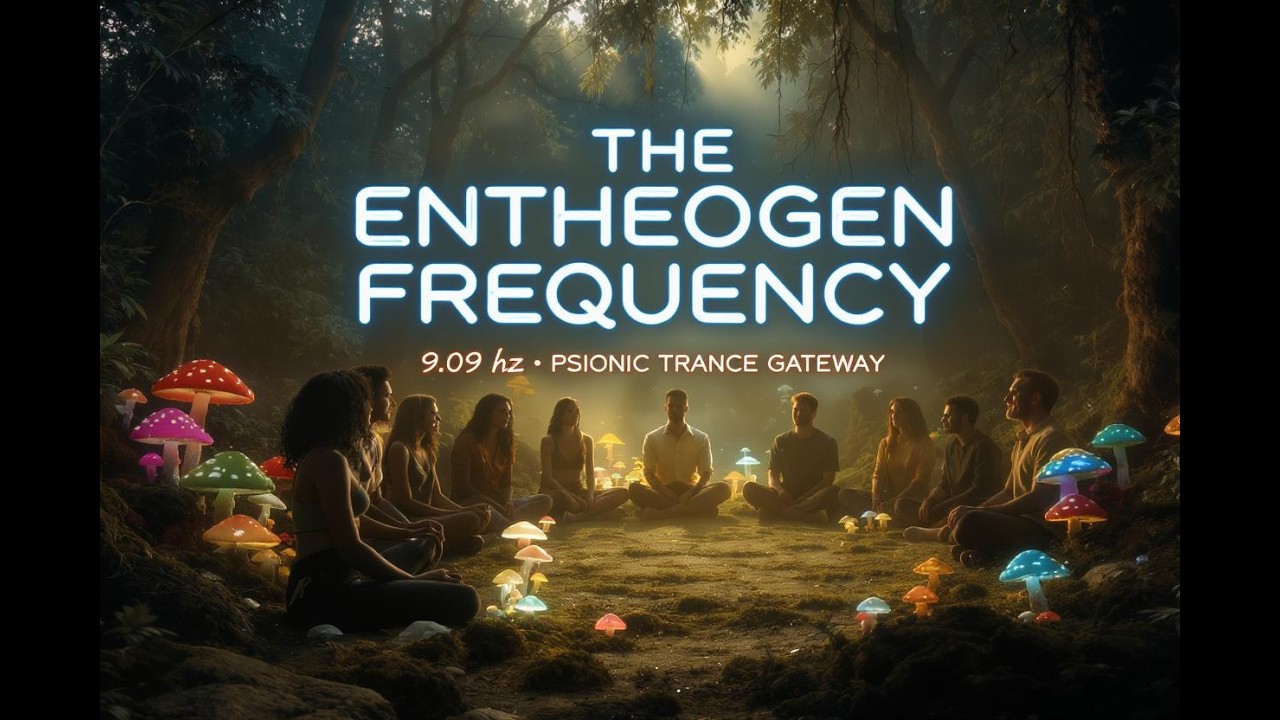
Sessions that layer multiple frequencies simultaneously: kundalini-inspired movement, symbolic DNA-code language, and sacred-geometry harmonic systems. These work through pattern interference and layered architecture rather than single-frequency entrainment.


Sustained awareness work
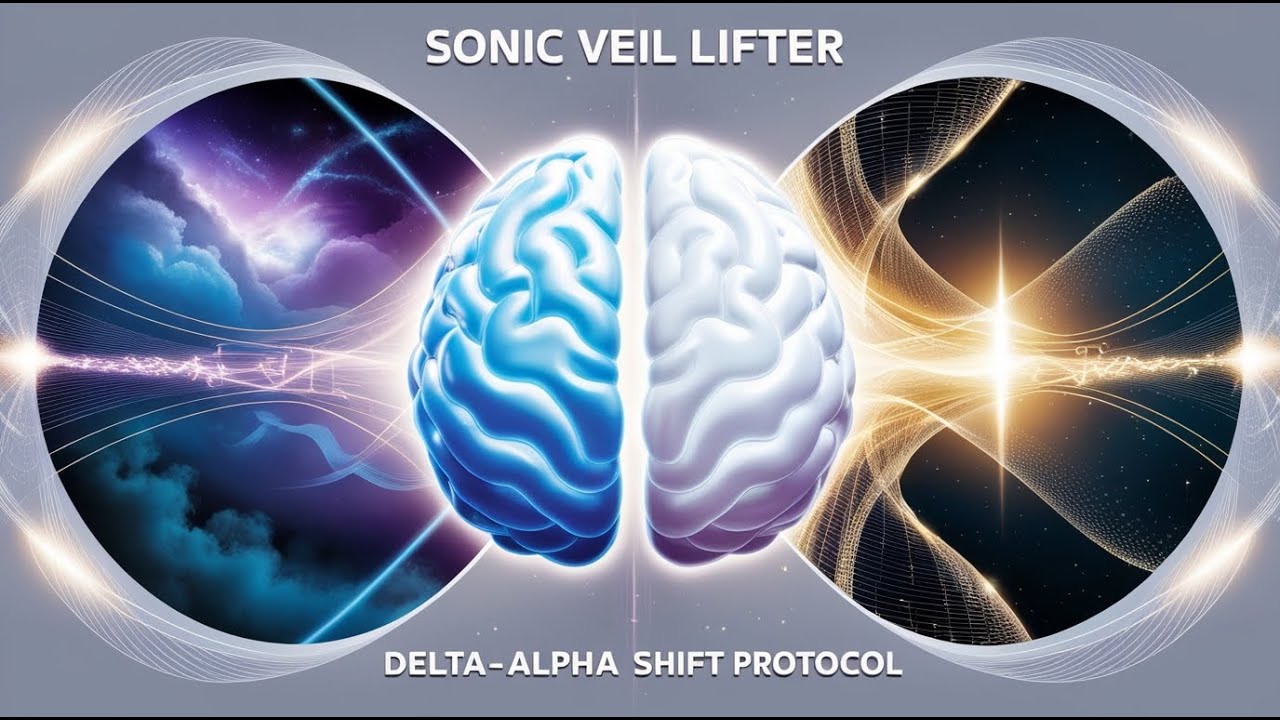
For lucid dream practitioners, the technique known as WBTB (Wake-Back-To-Bed) is one of the most commonly used induction methods: wake briefly after 4-6 hours of sleep, then re-enter sleep with active awareness. Frequency sessions during this re-entry can support a sustained theta-style listening state while you maintain gentle lucidity-focused intent.
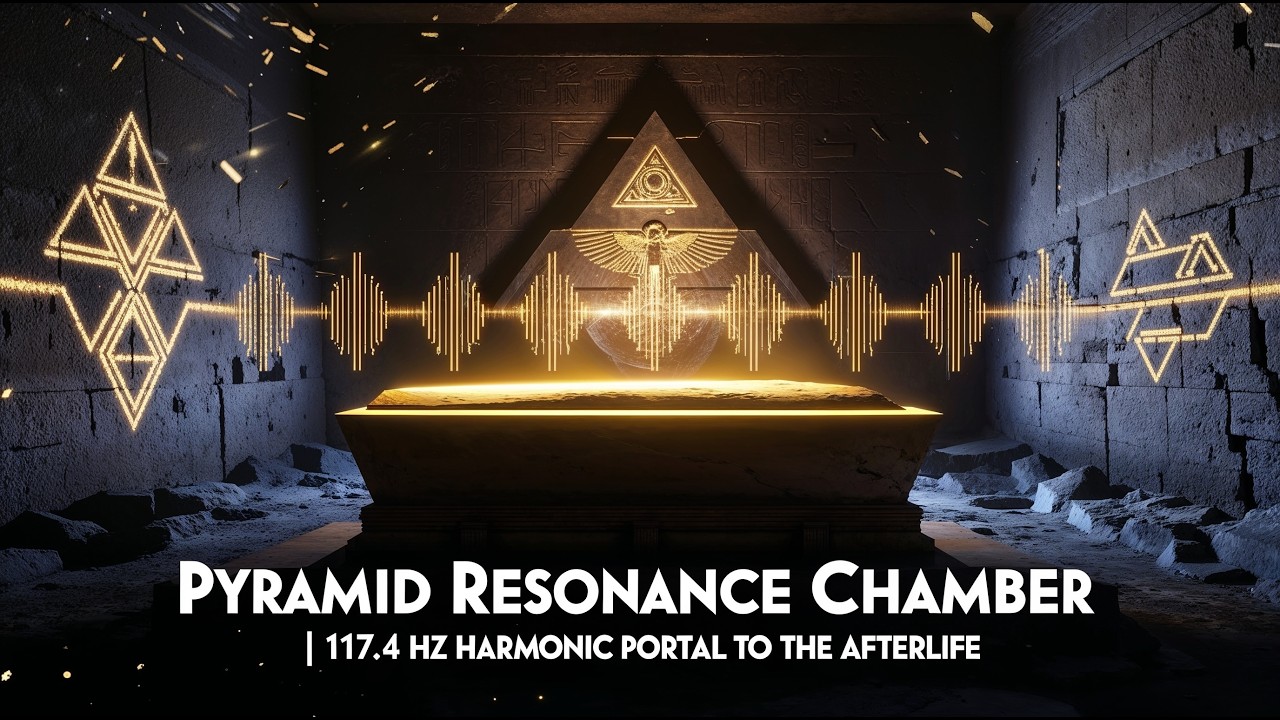
For those exploring astral projection or out-of-body-style practice, the 6.3 Hz to 7.07 Hz range is used here as a symbolic and experiential bridge into the "mind awake, body asleep" state that many practitioners describe.


Short-form visionary entry
Visionary practice doesn't require 8 hours. These 20-minute and 1-hour sessions are doorways, useful for daily practice, for those new to inner-vision work, or as bridges into longer sessions.
How to approach visionary work
Visionary frequency work rewards preparation and patience. The first time you listen to a deep theta session, expect mostly relaxation. With repeated practice, imagery may begin to emerge and the state can become more familiar, more vivid, and easier to navigate.
Best practice: dim the room, lie down or sit reclined with eyes closed, use stereo headphones for binaural precision, and let go of any expectation of "what should happen." The visionary mind opens when the analytical mind relaxes.
Avoid stimulants beforehand. Avoid heavy meals. Many practitioners find a brief breath practice (4-7-8 breathing, or simple slow exhalation) before the session helps the body settle.
If imagery becomes intense, you can always open your eyes. That usually brings you back toward baseline awareness quickly.
Choosing your visionary session
What this audio is and isn't
REIDOS visionary content uses cultural and pharmacological metaphors such as DMT, pineal, and visionary activation as descriptive frames. The audio is not a replacement for or simulation of any psychoactive substance. What it offers is a structured listening environment for inner imagery, meditative depth, and theta-style practice. The cultural framing helps describe the felt-sense; the actual experience is your own consciousness, in its own architecture.
Want overnight sleep architecture for dream-oriented listening? → Sleep Portal covers theta-delta sleep cycling and long-form sleep practice.