Deep Sleep Recovery Pack
10 offline sessions for falling asleep, midnight waking, and overnight sleep support. No ads, no internet required.
The Architecture of Sleep
A complete guide to frequencies, entrainment, and deep sleep support. Sleep is the body's original nightly reset: a return to stillness, lower stimulation, nervous-system downshifting, and long-form restoration.
Recent releases
Explore newer additions to the REIDOS library.


Three places to start, ranked by what you need
Skip the theory if you just want sleep. These are the three highest-value sessions to try first.
At REIDOS, sleep is not simply unconsciousness. It is treated as a frequency-based restoration field. Every night the mind drifts through a symphony of neural bands: Beta, Alpha, Theta, and Delta. Each range is associated with a different level of arousal, relaxation, and rest. By listening to carefully structured frequency sessions, you can create a more consistent ritual around sleep, downshifting, and long-form calm.
How sleep actually works
When you first close your eyes, Beta, the fast alert rhythm of waking life, begins to slow. Alpha (8-13 Hz) opens a threshold between wakefulness and relaxation. If uninterrupted, Alpha can yield to Theta (4-7 Hz), the realm of drifting imagery and dreamlike perception. The descent continues into Delta (0.5-4 Hz), where mental chatter softens and the body moves toward deeper rest.
During slow-wave sleep, research links deep sleep with glymphatic clearance and reduced sympathetic arousal. REIDOS sleep sessions do not replace sleep itself, but they are designed as sleep-supportive listening fields that mirror the body's preference for stillness, downshifting, and long-form calm.

The Schumann Dream Gate
Theta-Delta · 8 Hours · Earthmind Sleep Protocol
REIDOS' most-watched sleep architecture, a full-night descent built around the 7.83 Hz Schumann resonance concept.
Watch on YouTube →The physics of sleep support
Brainwave entrainment uses precise auditory rhythm to encourage the brain toward a target frequency range. Example: 100 Hz in the left ear and 101 Hz in the right produces a 1 Hz perceived rhythm. Many listeners experience this as a gentle nudge toward the intended state.
Binaural beats work best with headphones. Isochronic pulses are speaker-friendly. Bisochronic® structures bridge both approaches with harmonic layers, pulse movement, and spatial design to create a deeper listening field.
Six frequency bands of sleep
Sleep is a continuum of oscillations. Different sub-bands within Delta and Theta produce subtly different states. Understanding these ranges helps you choose the session that matches your need tonight.
The body's slowest listening territory. These ultra-low rhythms are used for breath pacing, somatic stillness, and long-form nervous-system settling. The deepest layer, subtle, spacious, and designed to feel safe rather than stimulating.

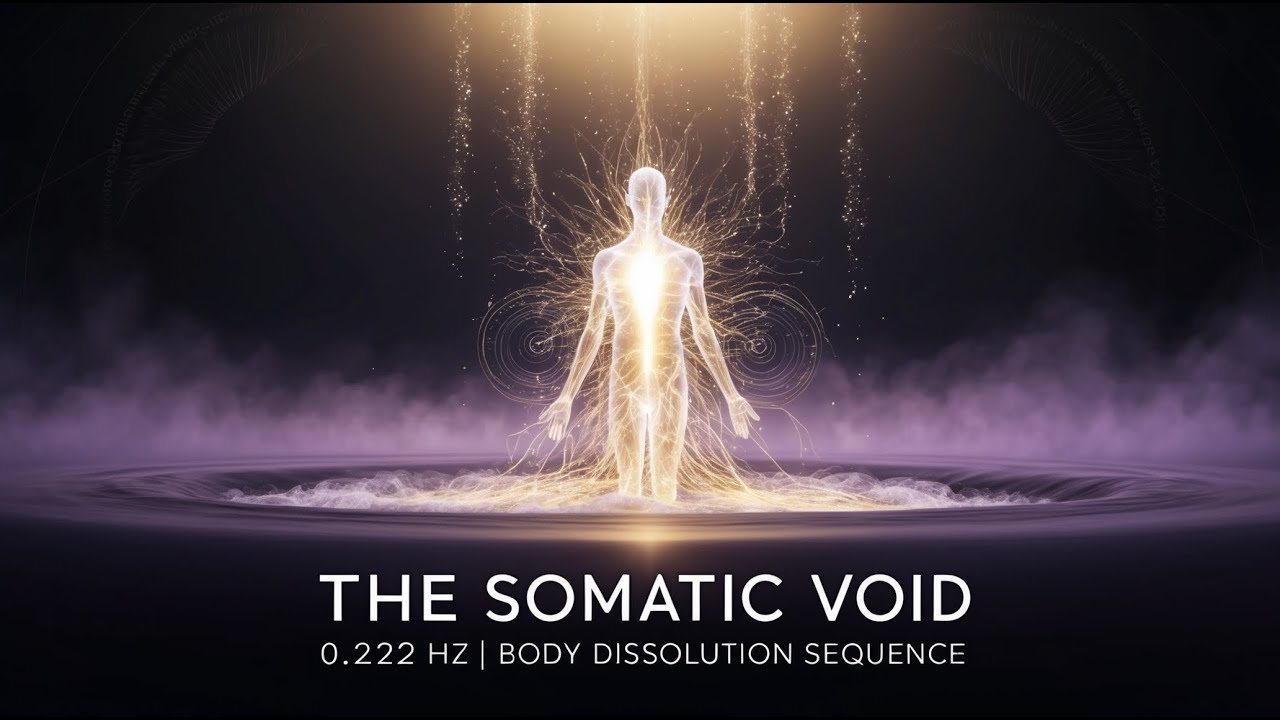
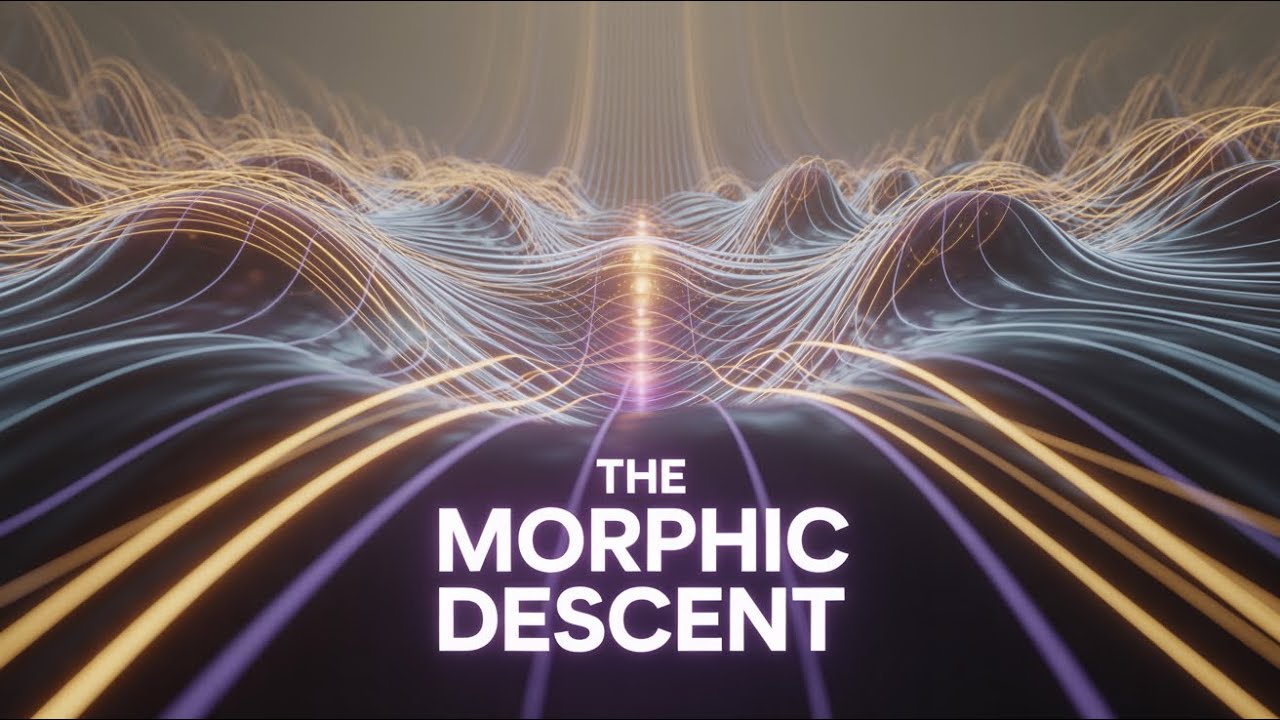
Designed for deep rest and recovery-oriented listening - the slow delta range where many people feel most held overnight. Ideal for full-night sessions when you want the nervous system to downshift without overstimulation.

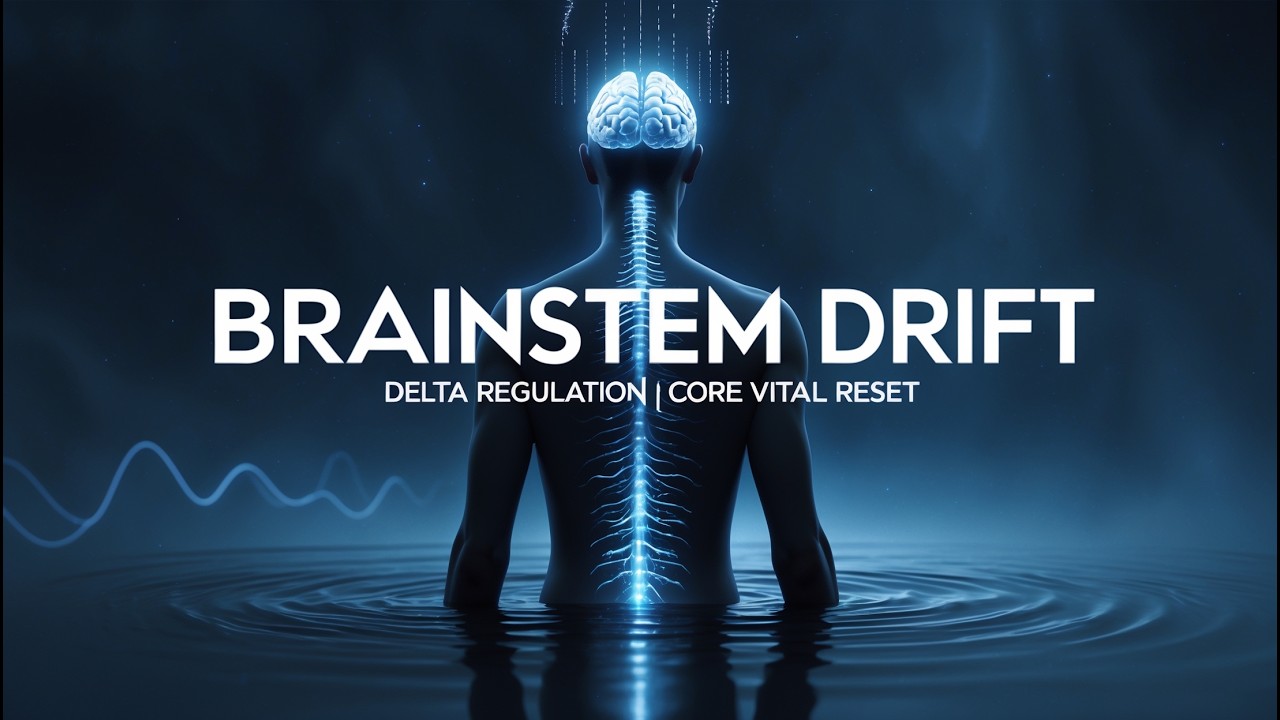
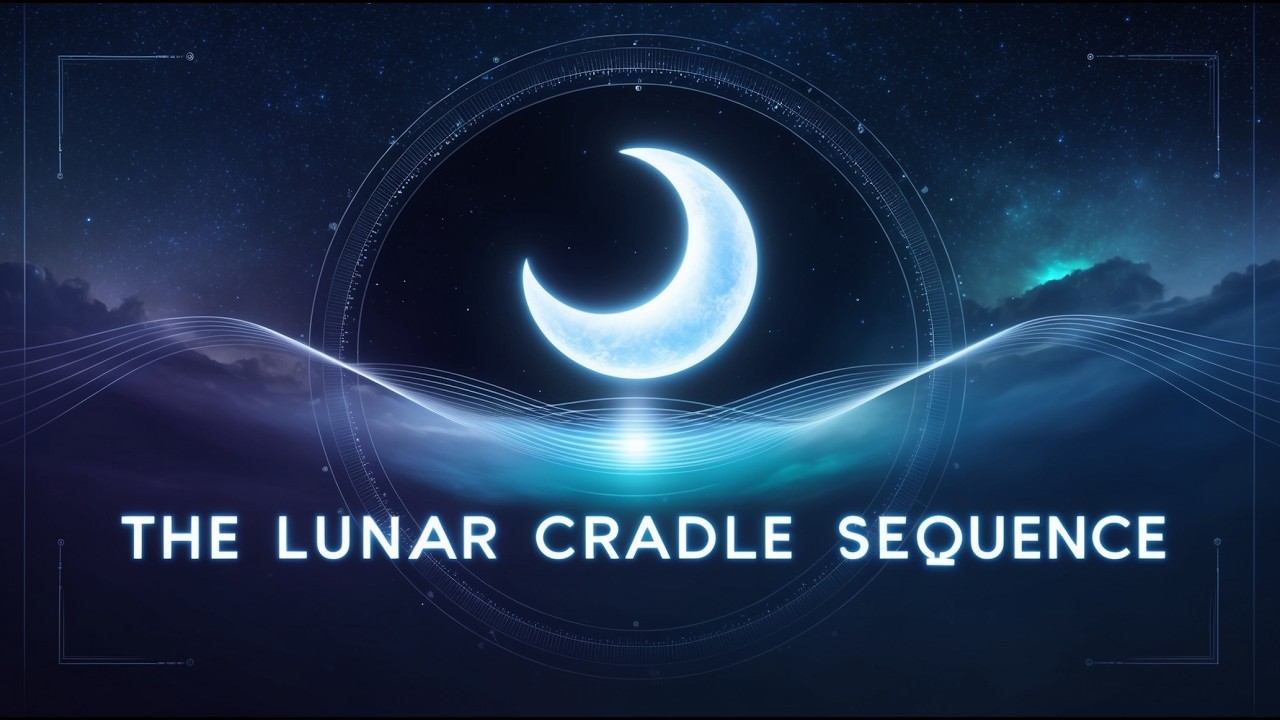

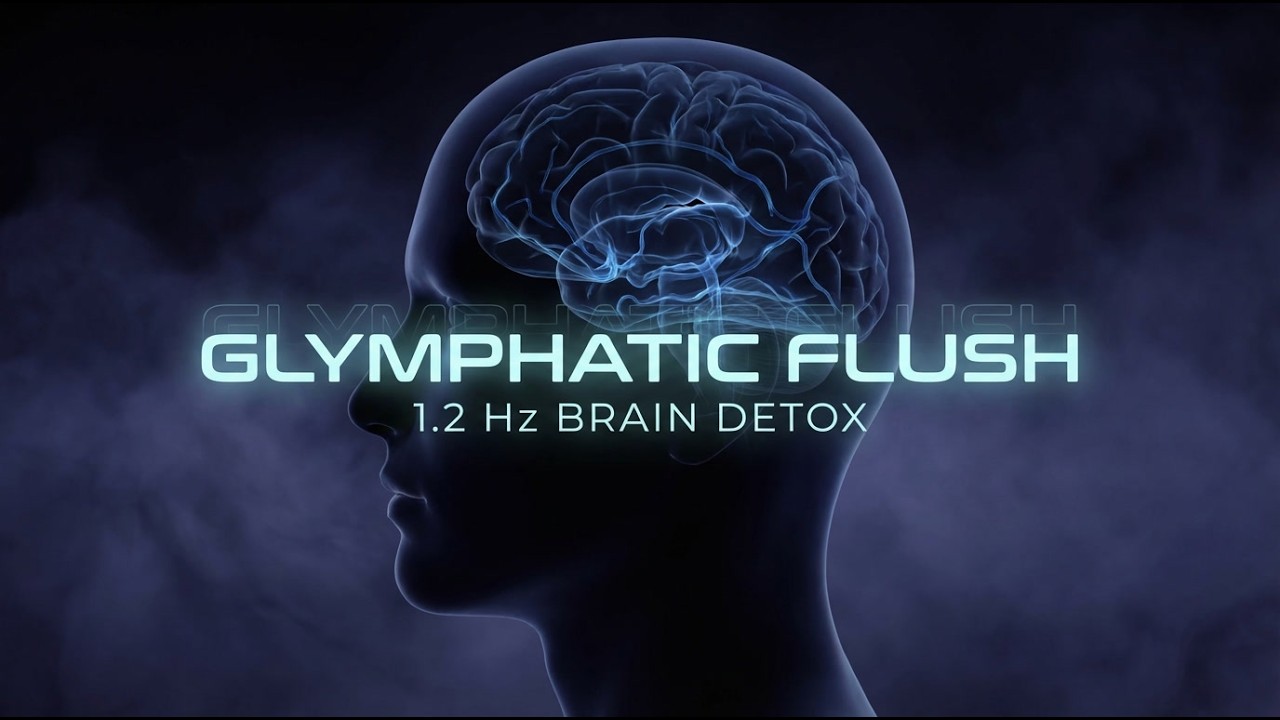
Designed around the descent from alpha toward slower delta-style listening. Useful for people who struggle to settle into sleep. The 1.2 Hz range is used here as a slow, sleep-supportive rhythm inspired by deep rest and glymphatic research.
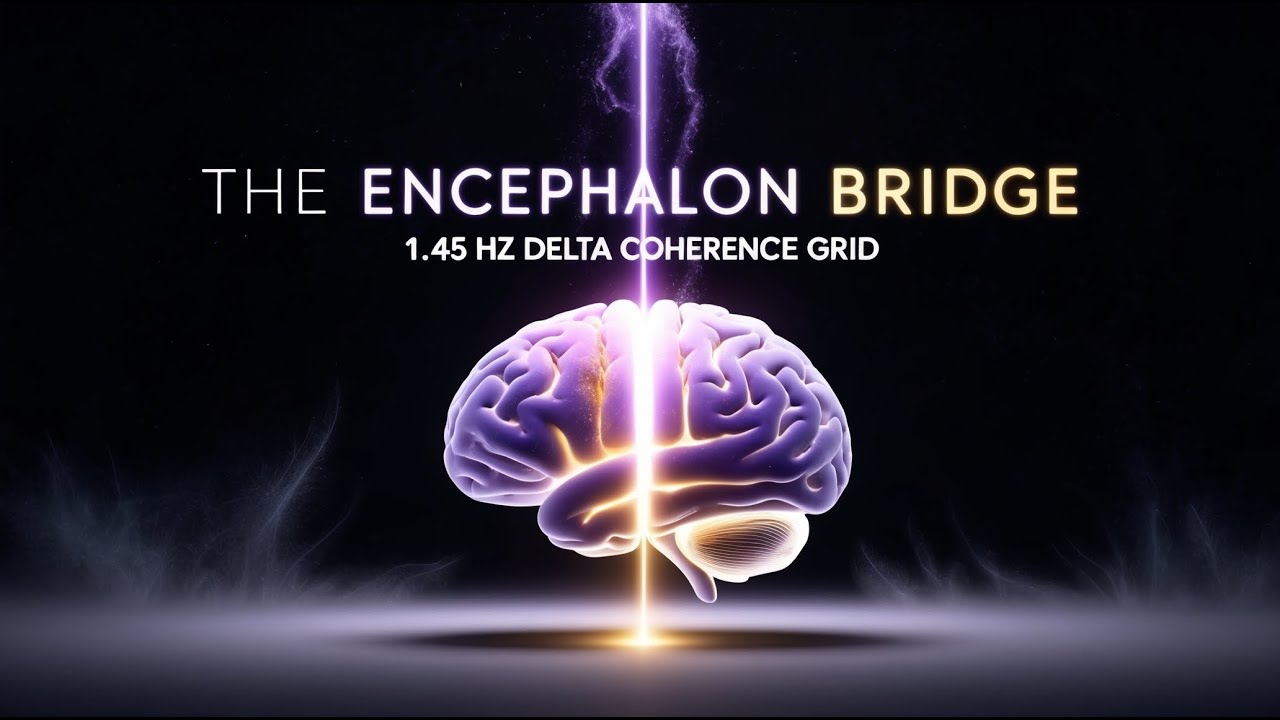

The bridge between deeper rest and dreamlike perception. These mid-delta and low-theta-adjacent ranges are used for hypnagogic imagery, dream recall practice, and sleep-stage transition.
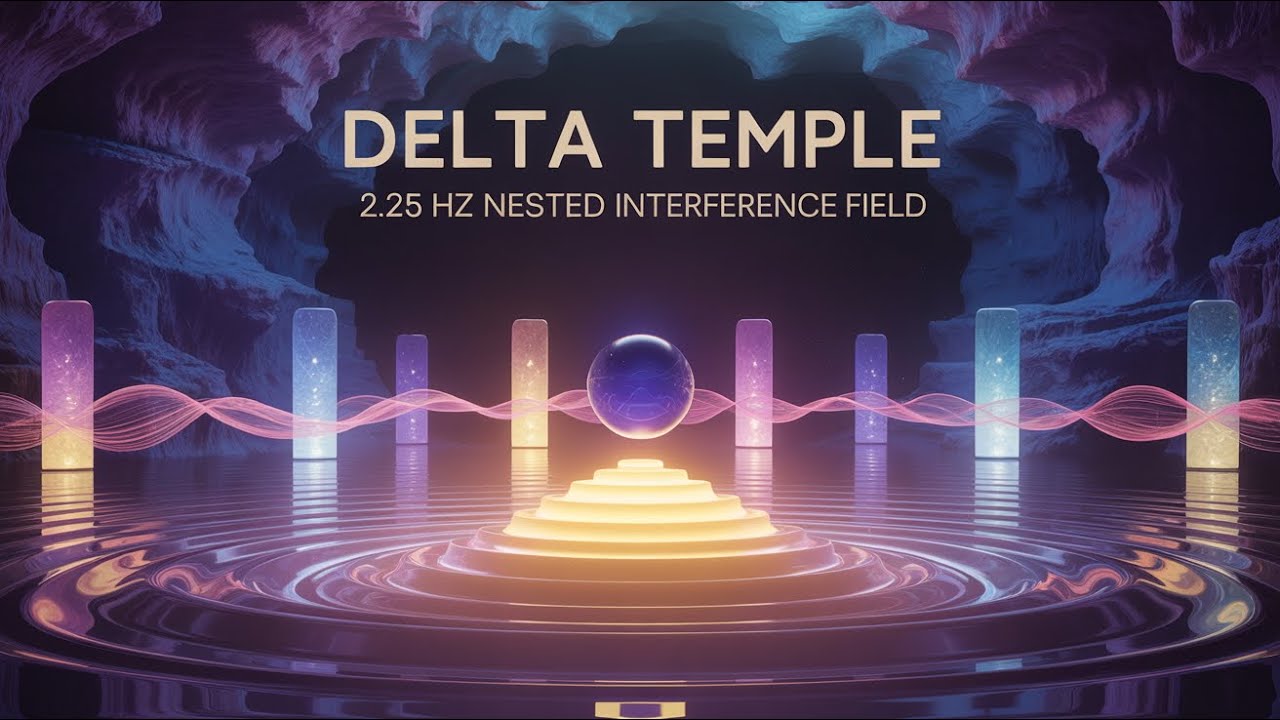
Earth's natural electromagnetic resonance is commonly described around 7.83 Hz. In the REIDOS catalog, this frequency is used as a grounding theta/alpha-edge anchor for sleep, calm, and long-form overnight immersion.






A practical guide
Set the environment: darken the room or use an eye mask. Use stereo headphones for binaural precision, or quality speakers for isochronic and bisochronic fields. Keep the volume low, just above the edge of perception, so the sound merges with breath. Avoid stimulants before bed.
If you wake often during the night, choose four-hour or eight-hour looping sessions that cycle between Theta and Delta. You can also begin with a 20-minute Theta induction and then transition into an overnight Delta program.
Optional ritual elements can help: eye mask, warm lighting, a consistent bedtime cue, or grounding scents such as frankincense, vetiver, or sandalwood. Some listeners lightly pace their breathing to slow pulse movement, inhaling on one wave and exhaling on the next.
Choosing your session
Deep Sleep Recovery Pack
If you want a complete structured sleep system instead of choosing individual YouTube sessions manually, the Deep Sleep Recovery Pack gives you 10 targeted downloadable frequency sessions for falling asleep, midnight wake-ups, overthinking shutdown, nervous-system downshifting, and overnight sleep support.
- 10 premium downloadable sleep sessions
- START HERE Sleep Guide included
- Quick Session Map included
- Recommended Listening Order included
- Built for sleep routines, nervous-system calm, and overnight listening
Sleep as spiritual return
Sleep is not the end of the day. It is a return to source frequency. Nightly, consciousness withdraws from sensory overload, passing back through layers of vibration until only the slowest rhythms remain. In this stillness the self recharges, attention loosens its grip, and the mind forgets enough to begin again.
With disciplined listening, sleep becomes an intentional ritual of return.
Looking for daytime nervous-system support? → Healing Portal covers vagus-inspired listening, stress recovery, body settling, and parasympathetic-style calm.